Featured
Table of Contents
Are desktop and mobile leaderboard advertisements.
Show ads can target by habits, context, or site option, each offering unique methods to record user interest. Display advertisements vary considerably in terms of who they target and how they work.
Retargeting advertisements do just that, and they're simple for brand names to execute. To start, place a little area of code onto your website that collects info about visitors' browsing behavior, consisting of when they browse to a classification or item page.
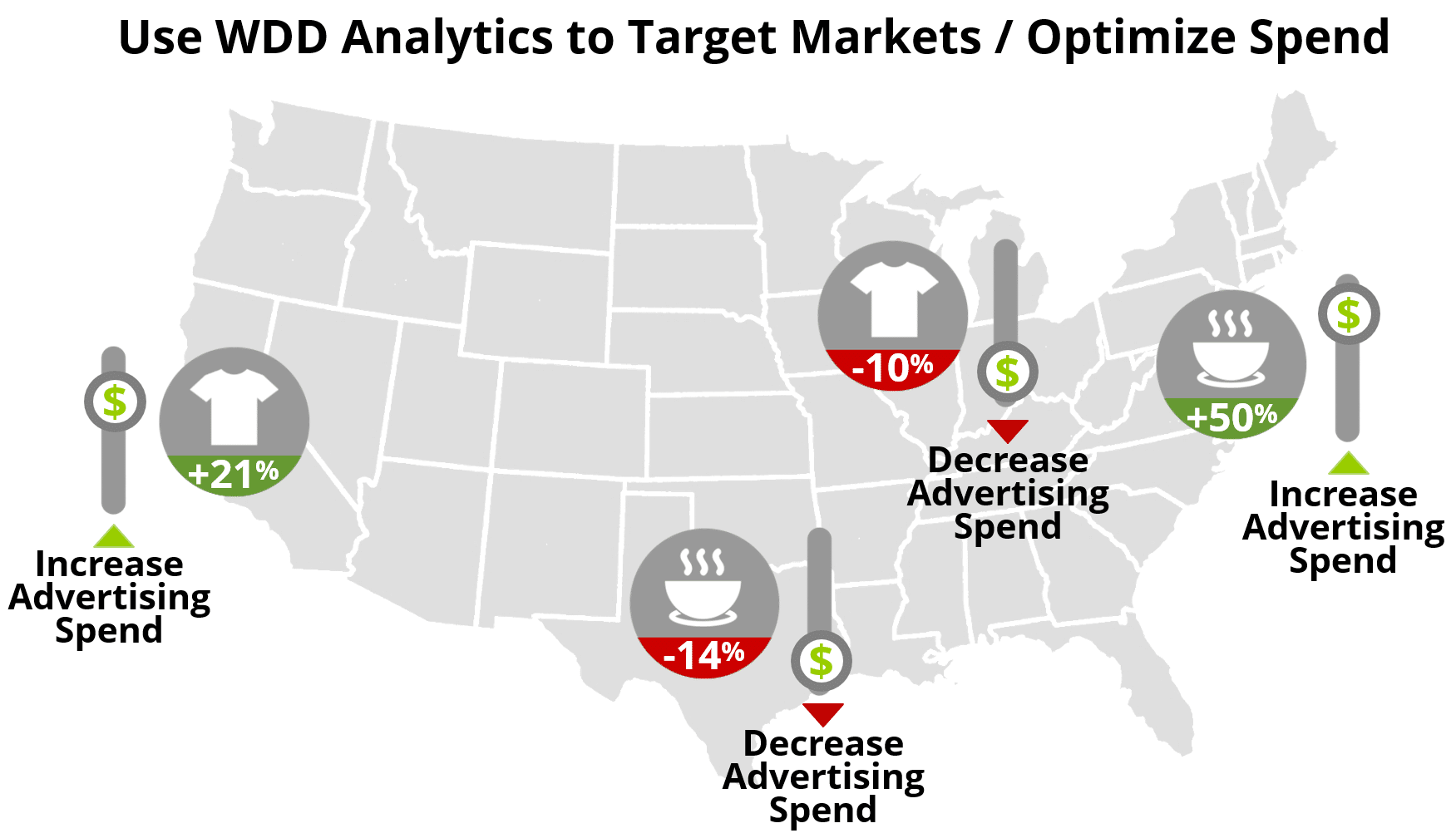
Produce and place display screen advertisements based on the various categories of interest you have observed. A vibrant remarketing campaign is a reliable method to keep your brand present in the minds of buyers who have actually already shown interest in what you have to offer.
You can even produce ads that reveal personalized item suggestions based on a user's current interactions with your site. In addition to remarketing, Google acknowledges 4 unique kinds of customized ads. Each incorporates basic user habits and preferences rather than interactions with any specific brand as a targeting option. Affinity targeting reveals your ads to consumers who have shown an active interest in your market.
Balancing SEM Versus Display Media Strategies
Smaller customized affinity groups like "long-distance runners" and "orchid growers" let you get more specific about the interests you wish to target. Bear in mind that when you utilize narrower groups, you'll reach smaller sized audiences. Customized intent and in-market ads target customers who are actively browsing for product and services like yours.
Comparable audience ads target individuals who have interests or qualities in typical with your present visitors. To develop lists of brand-new but comparable audiences, Google compares the profiles of people on your remarketing lists with those of other users, then identifies commonness. Rather of displaying your advertisements to individuals based upon their user profiles, contextually targeted ads are positioned on sites according to specific criteria, including: Your ad's topic and keywords Your language and area choices The host website's overarching style The searching histories of the website's current visitors You can let Google make these decisions, or you can take an active function in it yourself through topic targeting.
It also lets you specifically leave out topics that are underperforming or unassociated to your message. Topic targeting is a lot like affinity targeting, except that your advertisements are matched with sites rather than users. If you 'd choose to hand-pick the websites that will host your advertisement, site positioning targeting is your finest bet.
You can even integrate placement targeting with contextual targeting. With this approach, you select a site and let Google pick the most pertinent pages for your advertisement. If you count offline in addition to online ads, show marketing is as old as organization itself. The web's very first ever show ad was a 1994 AT&T ad, and they've been increasing in prevalence since.
Native advertisements are designed to blend in with the other content on a page. These are particularly common in social media news feeds. These ads look like routine user posts, although they are legally needed to show the word "sponsored" to lessen deception. Native advertisements are less apparent than display screen advertisements and can often reach users who have ad obstructing software made it possible for.
How AEO Redefines Search Marketing
However there's constantly the threat that when they reach completion and discover that the post or article they just read was advertising, they'll end up sensation fooled. Native marketing online marketers also risk concealing their brand name logo and information too well. There's an opportunity that readers might not notice it, not to mention remember it.
No kind of advertising is ideal for every business. Before you choose whether to buy display ads, consider the advantages and drawbacks. Unlike native ads that mimic editorial material, show advertisements are clearly advertisements. While that often suggests that people will disregard them on principle, it also implies that audiences right away recognize that they're seeing a message from your brand.
Your audience doesn't have to check out all the method through a short article or infographic to get to your brand name message the method they make with material marketing or native advertisements. Even when individuals scroll past these messages, they still make an impression. Compared to other kinds of digital advertising, show advertisements don't need intricate integration with publisher websites.
All you need is a knowledge of targeting techniques. If you offer home devices, you might post customized intent ads to reach people who have been searching for new designs of ranges or washing machines.

While reasonably few people in fact click screen ads, they can help you reach the largest segment in your target audience. Their reach is as broad as that of standard advertising while being less obtrusive. A display screen ad is much less disruptive than a television or radio spot, especially if it's been matched with pertinent material.
The Way Automation Improves PPC
Overt marketing makes lots of people feel annoyedand when individuals are frustrated with online advertisements, they tend to utilize advertisement blocking software so that they don't see them at all. Display advertisements are implied to deliver your message as quickly and simply as possible, however their short length can work against them.
While display screen advertising is helpful, it probably won't be the genuine powerhouse behind your marketing method. A lot of people see banner ads early on in their buying journey, so they're best utilized as part of a long-lasting marketing plan.
In order to correctly designate resources and run a successful project, you should determine the effectiveness of your screen ads. Whether you're utilizing Google Ads or another platform, you can track campaign efficiency throughout the whole campaign and make modifications where needed. There are a few key metrics to keep an eye on when determining your campaign, including:: Impressions are the number of times your ad was shown on a site.

Latest Posts
Effective Multi-Platform Methods for Paid Strategies
The Value of Mission-Driven Charity Alliances
Promoting Lasting Community Change Through Philanthropy